

In the dynamic landscape of industrial materials, the question of recyclability has emerged as a pivotal concern, driven by environmental awareness and the pursuit of sustainable practices. As a prominent supplier of GR2 Titanium Wire, I am frequently confronted with inquiries regarding the recyclability of this remarkable material. In this blog post, I aim to delve into the intricacies of GR2 Titanium Wire recycling, exploring its feasibility, processes, and the broader implications for our industry and the environment.
Understanding GR2 Titanium Wire
Before delving into the topic of recycling, it is essential to understand the unique properties and applications of GR2 Titanium Wire. GR2 Titanium Wire belongs to the family of commercially pure titanium, renowned for its exceptional corrosion resistance, high strength-to-weight ratio, and biocompatibility. These properties make it a preferred choice in a wide range of industries, including aerospace, medical, chemical processing, and marine engineering.
The chemical composition of GR2 Titanium Wire is primarily composed of titanium, with trace amounts of iron, oxygen, carbon, nitrogen, and hydrogen. These elements contribute to its specific mechanical and chemical properties, making it suitable for various applications. For instance, its high corrosion resistance makes it ideal for use in harsh environments, such as seawater or chemical processing plants, while its biocompatibility makes it a popular choice for medical implants and devices.
The Case for Recycling GR2 Titanium Wire
Recycling GR2 Titanium Wire offers several compelling benefits, both from an environmental and economic perspective. From an environmental standpoint, recycling reduces the demand for virgin titanium ore, which requires significant energy and resources to extract and process. By recycling GR2 Titanium Wire, we can conserve natural resources, reduce energy consumption, and minimize the environmental impact associated with mining and refining operations.
In addition to its environmental benefits, recycling GR2 Titanium Wire also offers significant economic advantages. Titanium is a valuable metal, and recycling allows us to recover and reuse this valuable resource, reducing production costs and increasing the overall efficiency of the supply chain. Moreover, recycling can help to meet the growing demand for titanium products, particularly in industries where the availability of virgin titanium ore is limited.
The Recycling Process of GR2 Titanium Wire
The recycling process of GR2 Titanium Wire typically involves several stages, each designed to ensure the efficient and effective recovery of the metal. The first stage involves the collection and sorting of scrap titanium wire. This can be sourced from various industries, including manufacturing, construction, and aerospace. Once collected, the scrap wire is sorted based on its composition and quality, ensuring that only high-quality material is used for recycling.
The next stage involves the pre-treatment of the scrap wire. This may include cleaning, cutting, and shredding the wire to reduce its size and remove any contaminants. The pre-treatment process is crucial to ensure the quality of the recycled material and to facilitate the subsequent processing steps.
After pre-treatment, the scrap wire is melted in a furnace at high temperatures. The melting process is carefully controlled to ensure that the titanium is fully melted and that any impurities are removed. Once melted, the titanium is cast into ingots or other forms, ready for further processing or use in the production of new titanium products.
Challenges and Considerations in Recycling GR2 Titanium Wire
While recycling GR2 Titanium Wire offers numerous benefits, it also presents several challenges and considerations. One of the main challenges is the presence of contaminants in the scrap wire. Titanium is a reactive metal, and it can easily react with other elements, such as oxygen, nitrogen, and carbon, during the recycling process. These contaminants can affect the quality and properties of the recycled material, making it less suitable for certain applications.
Another challenge is the high cost of recycling. The recycling process of GR2 Titanium Wire requires specialized equipment and expertise, which can be expensive to acquire and operate. Moreover, the energy consumption associated with melting and processing the scrap wire can also be significant, adding to the overall cost of recycling.
In addition to these challenges, there are also regulatory and environmental considerations to take into account. Recycling operations must comply with strict environmental regulations to ensure that the process is safe and sustainable. This may include measures to control emissions, manage waste, and prevent the release of harmful substances into the environment.
The Future of GR2 Titanium Wire Recycling
Despite the challenges and considerations, the future of GR2 Titanium Wire recycling looks promising. As the demand for sustainable materials continues to grow, there is increasing interest in recycling and reusing titanium products. This is driven by a combination of factors, including environmental awareness, government regulations, and the need to conserve natural resources.
In response to this growing demand, there is a growing trend towards the development of more efficient and cost-effective recycling technologies. These technologies aim to reduce the energy consumption and environmental impact of the recycling process, while also improving the quality and properties of the recycled material. For instance, some companies are exploring the use of advanced melting and refining techniques, such as electron beam melting or plasma arc melting, to improve the efficiency and quality of the recycling process.
Another trend is the increasing collaboration between different stakeholders in the titanium industry, including suppliers, manufacturers, and recyclers. By working together, these stakeholders can share knowledge and expertise, develop new recycling technologies, and establish more efficient supply chains for recycled titanium products. This collaboration can help to overcome the challenges and barriers associated with recycling GR2 Titanium Wire, and accelerate the transition towards a more sustainable and circular economy.
Conclusion
In conclusion, GR2 Titanium Wire can be recycled, and recycling offers several compelling benefits, both from an environmental and economic perspective. By recycling GR2 Titanium Wire, we can conserve natural resources, reduce energy consumption, and minimize the environmental impact associated with mining and refining operations. Moreover, recycling can help to meet the growing demand for titanium products, particularly in industries where the availability of virgin titanium ore is limited.
However, recycling GR2 Titanium Wire also presents several challenges and considerations, including the presence of contaminants, the high cost of recycling, and the need to comply with strict environmental regulations. To overcome these challenges, there is a need for continued research and development in recycling technologies, as well as increased collaboration between different stakeholders in the titanium industry.
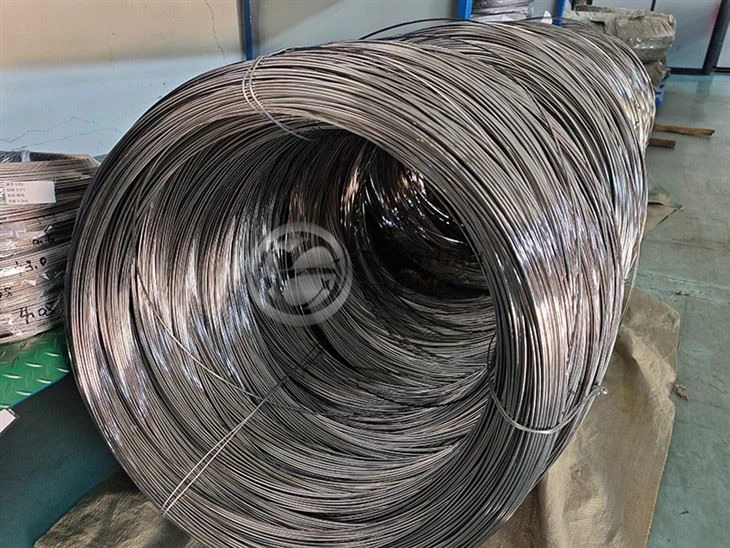

As a supplier of GR2 Titanium Wire, I am committed to promoting the recycling of this valuable material and to working with our customers and partners to develop more sustainable solutions. If you are interested in learning more about our GR2 Titanium Wire products or our recycling initiatives, please do not hesitate to contact us. We look forward to discussing your needs and exploring how we can work together to achieve a more sustainable future.
References
- ASM Handbook Committee. (2000). ASM Handbook Volume 2: Properties and Selection: Nonferrous Alloys and Special-Purpose Materials. ASM International.
- Scharf, T. W. (2004). Titanium and Titanium Alloys: Fundamentals and Applications. Wiley-VCH.
- World Titanium Association. (2023). Titanium Recycling: A Sustainable Solution for the Future. Retrieved from [Website URL]


